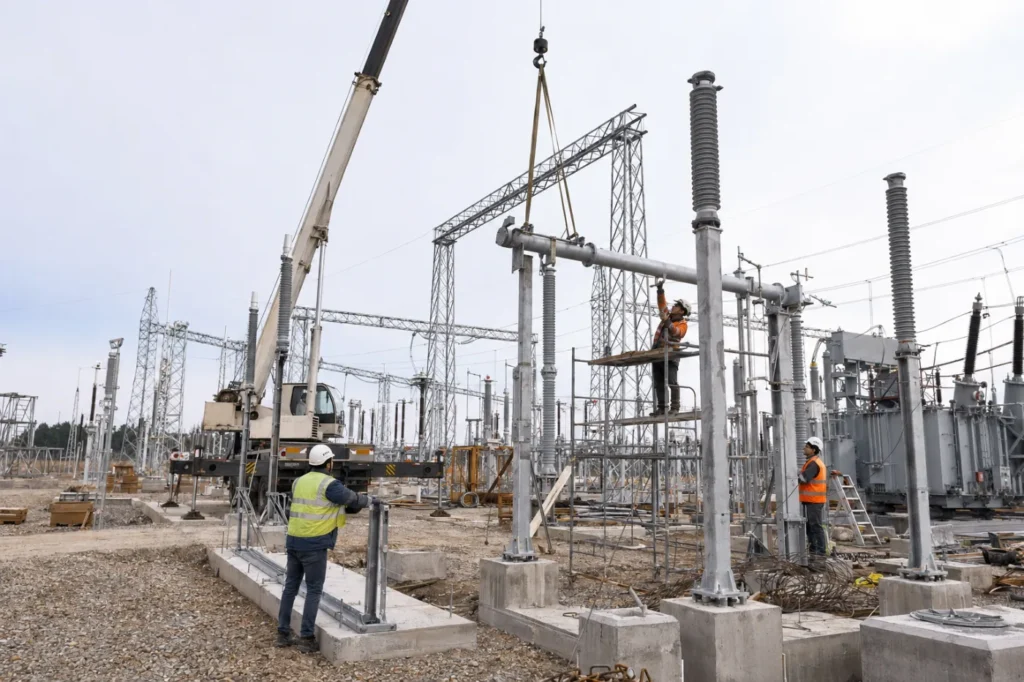
From infrastructure construction to power-on operation: What did the 500kV substation construction video showcase to project buyers?
A 500kV substation is not simply built by installing a large transformer and connecting a few lines. It is a complex high-voltage power infrastructure project involving various stages such as civil engineering, steel structure, GIS equipment, transformers, grounding systems, cable accessories, protection devices, commissioning, and final energization.The video showcases the construction progress of the Daqian 500kV substation in Neijiang, Sichuan. Aerial footage reveals that the project is divided into five main phases: foundation reinforcement, main structure formation, equipment installation, comprehensive commissioning, and trial operation.For overseas project buyers, this construction process serves as a helpful reminder: substation procurement should be planned as a complete project package, rather than as an isolated single product.Phase 1: Foundation reinforcement before electrical installation
The first phase shown in the video is foundation reinforcement. Site preparation work includes earthwork, backfilling, compaction, drainage planning, retaining structure construction, and access road preparation. The video mentions the use of a large amount of crushed stone, indicating that the project team must first create a reliable foundation for the high-voltage equipment.For the procurement team, this stage will influence subsequent equipment decisions. Before electrical equipment arrives, the supporting structure, cable trench layout, grounding grid design, equipment foundation dimensions, and installation access should be reviewed.Useful inquiry information includes:- Site layout map
- Equipment foundation drawing
- Cable trench and conduit plan
- Grounding grid diagram
- steel structure interface
- Transformer and crane access
Phase Two: Formation of the Main Structure
The second phase is the construction of the main structure. The video shows the steel structure rising from the ground on site, followed by the construction of the busbar frame, equipment room, supporting structure, and building area.In 500kV substations, the steel structure and electrical equipment must be carefully coordinated. Support height, terminal orientation, insulator position, conductor spacing, and foundation interfaces all affect equipment compatibility.When purchasing high-voltage substation equipment, the buyer should not only inquire about the product price, but also prepare drawings and technical documents on steel structure coordination, terminal clamps, conductor accessories and support accessories.Phase 3: Equipment Installation
The third stage is equipment installation. The video showcases the assembly process of large high-voltage equipment, steel structure frames, and substation bays. The video also mentions the installation of transformers, GIS equipment, secondary systems, and monitoring equipment.This is no longer just a product list. A procurement plan for a substation might include:- Main transformer and transformer accessories
- GIS equipment and related connecting components
- Disconnecting switches, grounding switches and protective devices
- Surge protectors and insulation products
- Busbar support and conductor clamp
- Cable terminations and cable connectors
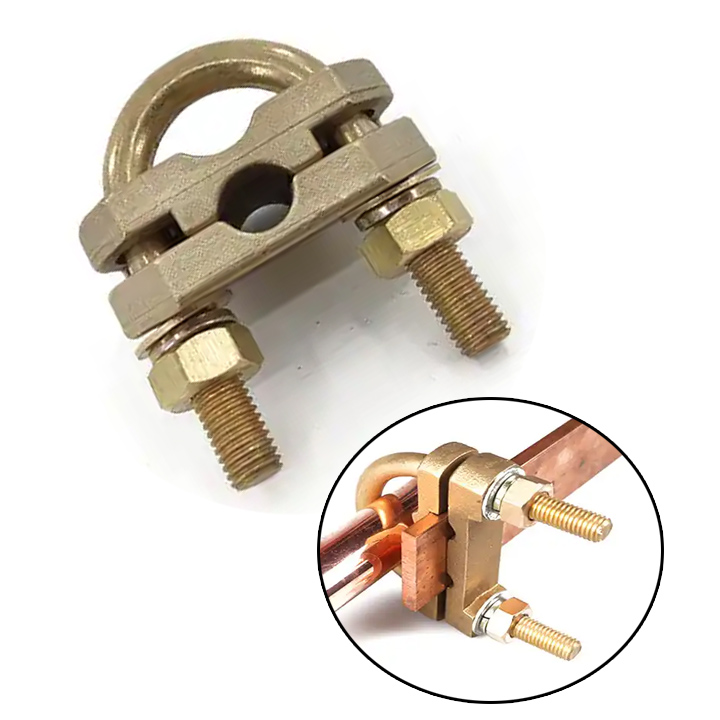
- Grounding clamps, grounding braided wire, and grounding materials
- Control cable accessories and secondary wiring materials
- Cable joints, cable clamps, cable trays and conduits
Phase 4: Operation after comprehensive debugging
The fourth stage in the video is comprehensive commissioning. The purpose is to ensure that all equipment meets operational requirements before powering on.Commissioning may include mechanical checks, insulation checks, line verification, protection system testing, communication testing, grounding continuity checks, and functional testing of primary and secondary equipment.For buyers, commissioning requirements should be considered before purchasing. Some products may require test reports, certificates, inspection photos, wiring diagrams, or packaging labels. Demanding these documents only after shipment may cause delays.Important documents may include:- Product Data Sheet
- Type test or routine test report
- Materials Certificate
- Packing list and labels
- Installation diagram
- Wiring diagram or terminal diagram
- Product photos before shipment
Phase 5: Trial Operation and Stable Operation
The fifth phase is trial operation. The video indicates that the Daqian 500kV substation has entered the trial operation phase, which means that the project has transitioned from the construction and commissioning phase to the grid-connected operation phase.This is the culmination of numerous prior decisions: foundation engineering, equipment selection, grounding design, cable connections, protection systems, commissioning, and maintenance plans. Even the slightest missing component can delay the entire project, especially in high-voltage substations.Therefore, the project purchaser should prepare spare parts and installation accessories in addition to the main equipment. Cable terminals, grounding materials, clamps, cable connectors, heat shrink tubing accessories and tools may seem insignificant, but they are crucial in the final installation and maintenance process.Procurement experience: Send a complete bill of materials.
A 500kV substation project may involve dozens or even hundreds of technical parameters. If each parameter is sent to a different supplier, the buyer must repeat the same technical information multiple times. This not only increases the cost of communicating with suppliers but also increases the risk of missing parts.Yuxin suggests sending a complete bill of materials, including:- Product Name and Model Code
- Voltage level and rated current
- Drawings or photographs for reference
- Cable size and conductor material
- Quantity and Reserve Quantity
- Required standards or test documents
- Packaging and labeling requirements
- Destination country or port
- Delivery schedule and partial shipment requirements