An inquiry that says “400kVA, 11/0.4kV transformer” is enough to start a conversation, but not enough to release a transformer for production. Two units with the same capacity and voltage ratio may differ in losses, impedance, tap range, accessories, dimensions and suitability for the site.
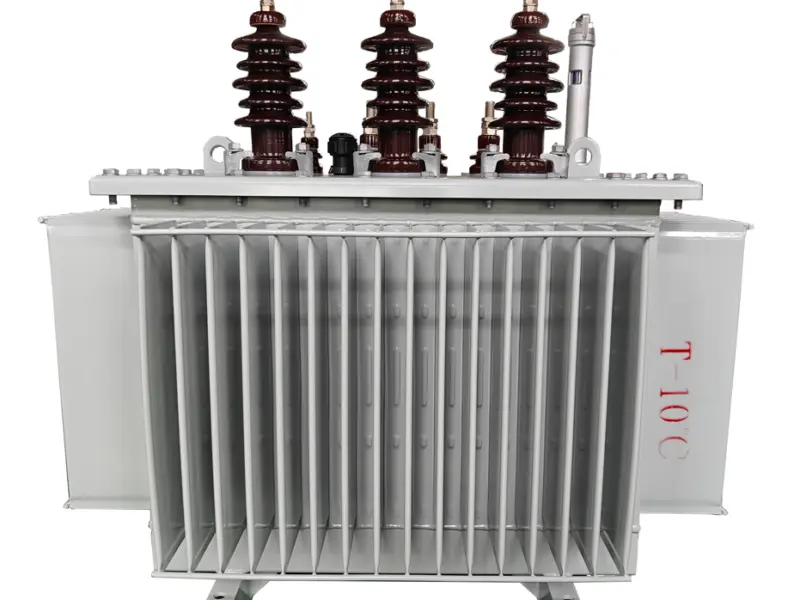
The following twelve points turn a short request into a workable distribution transformer RFQ.
1. Transformer type
Confirm oil-immersed or dry type and the intended installation. Oil-immersed units are common in outdoor utility and industrial distribution. Dry-type transformers are often selected for indoor buildings where fire safety, ventilation and enclosure requirements shape the design.
2. Rated capacity
State the required kVA and whether the load includes motors, frequent starts, harmonics or expected future expansion. The supplier should quote the specified rating; load studies and final sizing remain the responsibility of the project designer.
3. Primary and secondary voltage
Give the exact rated voltages, not only local network names. Also state the frequency and number of phases. If the primary supply varies, include the operating range used in the design.
4. Vector group
The vector group defines winding connection and phase displacement. It must agree with the network design and any transformers intended to operate in parallel. Do not substitute a familiar vector group without written approval.
5. Tap changer
Confirm off-circuit or on-load operation, tap range, step size and tap position. Distribution units often use an off-circuit tap switch, but the specification should say so clearly.
6. Short-circuit impedance
Impedance affects voltage regulation and fault current. It becomes especially important for parallel operation and coordination with low-voltage switchgear. State the specified value and tolerance rather than accepting a generic catalog figure.
7. Losses and efficiency requirement
No-load loss and load loss affect lifetime operating cost. Buyers should name the applicable efficiency or loss requirement and request guaranteed values in the technical schedule. Comparing only purchase price can hide a large operating-cost difference.
8. Cooling and temperature limits
Specify the cooling method and permitted temperature rise. For dry-type units, include insulation class and ventilation assumptions. For oil-filled units, confirm the insulating liquid requirement where the project has a specific preference.
9. Installation environment
Provide indoor or outdoor location, maximum ambient temperature, altitude, humidity, pollution conditions and seismic requirement if applicable. High altitude affects insulation and cooling; tropical outdoor service may require additional attention to sealing, coatings and accessories.
Need equipment matched to your project?
10. Terminals and cable interfaces
State whether the high- and low-voltage sides connect by cable box, exposed bushing, busbar or separable connector. Include cable sizes, number of runs, terminal palm details and phase arrangement. This is where transformer supply meets cable-accessory supply.
11. Accessories and protection
List required accessories rather than relying on “standard accessories.” Depending on the transformer, the scope may include oil level indication, pressure relief, temperature indicators, gas relay, drain and sampling valves, marshalling box, wheels, lifting lugs, neutral terminal, earthing terminals and surge protection.
12. Tests, documents and packing
Confirm routine tests, any requested type or special tests, witness requirements and document language. Ask for the outline drawing, nameplate drawing, datasheet, test report, packing list and installation information at agreed project stages.
Export packing should reflect transformer weight, lifting points, moisture protection and the transport route. Accessories removed for shipment need clear tags and a packing reference so they can be identified at site.
Details that frequently delay quotations
Most delays come from a few missing decisions:
- the transformer capacity is clear but the vector group is not;
- the voltage ratio is stated without a tap range;
- cable size is known but the terminal arrangement is missing;
- “outdoor” is stated without temperature or altitude;
- accessories appear on a single-line diagram but not in the purchase scope;
- loss requirements are mentioned without a referenced schedule;
- the buyer requests dimensions before confirming the final specification.
Send one technical schedule, not scattered messages
Combine the twelve points in one revision-controlled sheet. Attach the single-line diagram and cable data, then identify every deviation in the supplier’s offer. This keeps commercial comparison tied to the technical scope.
Younxin can coordinate distribution transformers with cable terminations, lugs, separable connectors, surge arresters, grounding materials and low-voltage connection accessories. Send the transformer schedule and project drawings for a combined RFQ review.
Related product page: Review the S11-100kVA oil-immersed distribution transformer.
FAQ
Is kVA and voltage ratio enough for a transformer price?
It may support a preliminary budget, but not a firm technical offer. Vector group, impedance, tap range, losses, environment, terminals and accessories all affect the final design.
What information is needed for parallel transformers?
Provide the data of the existing or parallel unit, especially voltage ratio, vector group, impedance, tap arrangement and ratings. The project engineer should approve compatibility.
Can transformer accessories be supplied in the same package?
Yes. Cable and grounding interfaces, surge protection and specified transformer accessories can be reviewed together when drawings and ratings are available.