An earthing drawing may show a grid, a few rods and several equipment connections. Turning that drawing into a purchasing list is less straightforward. The main materials are easy to see; the joints, test points and corrosion-protection items are where shortages usually appear.
A useful substation earthing system BOM should follow the route from the buried grid to every item that must be bonded above ground.
Start with the design information
Before counting materials, collect the earthing layout, soil data, conductor schedule and equipment arrangement. The target earth resistance matters, but it is not enough on its own. Soil resistivity, seasonal moisture, burial depth, available area and fault-current requirements all affect the design.
The supplier can match materials to a design, but should not guess the grid design from a single resistance value.
1. Main earth grid conductors
Common project lists use bare copper conductor, copper tape or hot-dip galvanized flat steel. The choice depends on the project specification, local practice, fault duty, corrosion conditions and the metals used elsewhere in the system.
For a proper quotation, state the material, cross-section, thickness, width and total length. “Grounding strip” is not a complete description. A 30×3mm galvanized flat bar and a copper tape of similar width have different connection methods and corrosion behavior.
2. Earth electrodes
Earth rods extend the system into deeper soil. Typical options include copper-bonded steel, hot-dip galvanized steel and stainless steel.
Copper-bonded ground rods are widely used where good corrosion resistance and dependable clamp or exothermic connections are required. Galvanized rods can suit projects already based on galvanized steel. Stainless steel may be specified for aggressive soil, but mixed-metal connections need careful review.
Record the rod diameter, length, material and whether rods will be coupled. A sectional rod system may also require couplers, driving heads and replaceable tips.
3. Connections and clamps
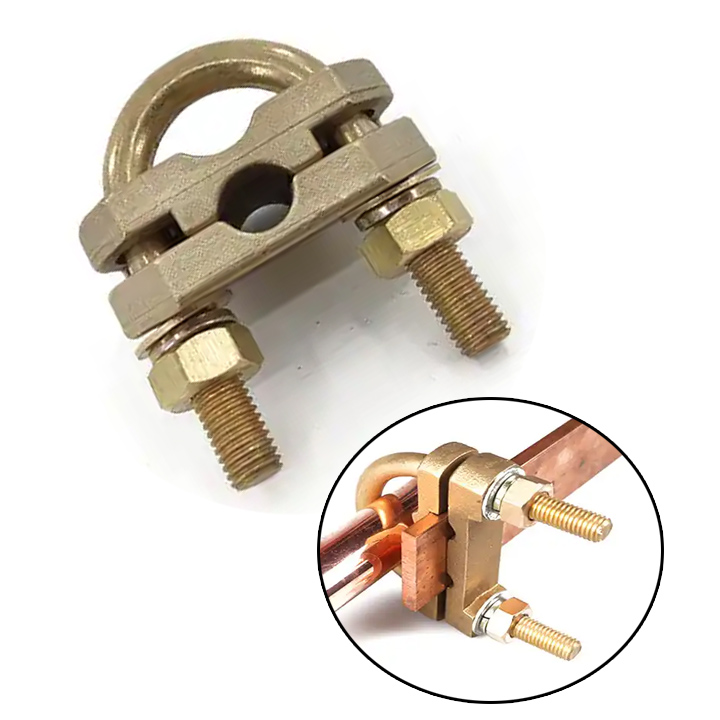
Count every connection type rather than adding one generic line for “grounding clamps.” The BOM may need:
- rod-to-conductor clamps;
- tape-to-tape cross and tee clamps;
- cable-to-tape connectors;
- equipment bonding terminals;
- flexible copper braids for doors or moving parts;
- bimetallic connectors where dissimilar metals meet;
- exothermic welding molds and weld metal, if specified.
Connection geometry matters. A clamp for round conductor to rod is not interchangeable with a clamp for flat tape to rod.
4. Test and inspection points
Substation earthing systems need accessible points for inspection and measurement. Depending on the design, include disconnecting links, test clamps, earth bars, inspection pits and identification labels.
These items are often omitted because they are small, yet they affect commissioning and later maintenance. The inspection pit size and load rating should match its location; a unit installed in a roadway has a different duty from one in landscaped ground.
Need equipment matched to your project?
5. Equipment and structure bonding
Check each transformer, switchgear panel, steel structure, fence section, cable tray, lighting mast and building earth bar. Flexible braids may be required across hinged doors, gates or expansion joints.
For fences and gates, the drawing should indicate how continuity is maintained and how the fence relates to the main grid. Do not add connections based only on a general equipment count.
6. Corrosion protection and installation materials
Buried joints may require anti-corrosion tape, sealing compound or protective coating. Bolts, washers, cable markers and supports should be counted with the main connectors. If an exothermic welding system is used, include the correct mold type, handle clamp, ignition tools and consumables.
Mixed metals deserve a specific note in the BOM. Copper, galvanized steel and stainless steel can create unwanted corrosion at poorly designed interfaces, especially in wet soil.
Common BOM gaps
The gaps we see most often are practical ones:
- rods are listed but couplers and driving heads are missing;
- conductor length is provided without an allowance for risers;
- test links are shown on the drawing but not counted;
- clamps are listed without conductor dimensions;
- flexible bonds for doors and gates are forgotten;
- corrosion tape is treated as a site purchase and arrives late;
- packaging does not separate small connection parts by installation area.
Earthing BOM worksheet: dimensions, interfaces and units
This is a blank purchasing worksheet, not a designed earthing system or a completed project example. Transfer quantities and connection details from the approved drawings.
| Supply line | Specify dimensions and interface | Unit / quantity |
|---|---|---|
| Grid conductor or tape | Material, section, width/thickness or conductor diameter; drawing reference. | Metres: ___ |
| Ground rod and extensions | Rod material, diameter, length, threaded/coupled configuration. | Pieces: ___ |
| Connection parts | Rod-to-conductor, tape joint or equipment terminal; both mating dimensions. | Sets by connection type: ___ |
| Flexible equipment bonds | Conductor section, length, lug holes and movement allowance. | Pieces: ___ |
| Test and inspection points | Link, earth bar or pit drawing; location and accessibility requirements. | Sets: ___ |
| Joint protection and labels | Specified protection system, labels and installation-area packing. | Quantity / unit: ___ |
Catalog references to compare include the 5/8 inch × 6 ft copper-bonded ground rod, GH-5/8 ground rod clamp and 25×4 hot-dip galvanized flat steel. These are separate examples, not a pre-approved compatible assembly; confirm mating dimensions, materials and connection details from the design.
Browse earthing system products and the wider grounding and lightning protection category. If surge arresters are included, list their earthing leads and connection parts separately; the A-12 ZnO arrester entry has its own electrical and mounting checks.
RFQ checklist for an earthing package
Send the following with the inquiry:
- earthing layout and detail drawings;
- conductor material and dimensions;
- earth rod material, diameter, length and quantity;
- jointing method;
- soil and corrosion conditions;
- required test points and inspection pits;
- applicable project standard;
- equipment bonding schedule;
- quantities, destination and packing requirements.
Younxin can organize earth rods, conductors, clamps, earth bars, flexible bonds, test accessories and corrosion-protection materials into one marked package. When drawings are available, send them with the BOM so connection types can be checked before quotation.
Related product page: See the 5/8 inch × 6 ft copper-bonded ground rod.
FAQ
Which ground rod material should I choose?
The answer depends on soil conditions, required service life, the rest of the earthing system and the project specification. Avoid choosing the rod independently from the conductor and connection method.
Can copper and galvanized steel be connected directly?
The interface should be reviewed for galvanic corrosion and may require a suitable bimetallic connector and protection method. Follow the project engineer’s approved detail.
Can Younxin quote from an earthing drawing?
Yes. A drawing plus the conductor schedule, soil information and required standard provides a much stronger basis than a product-name-only list.