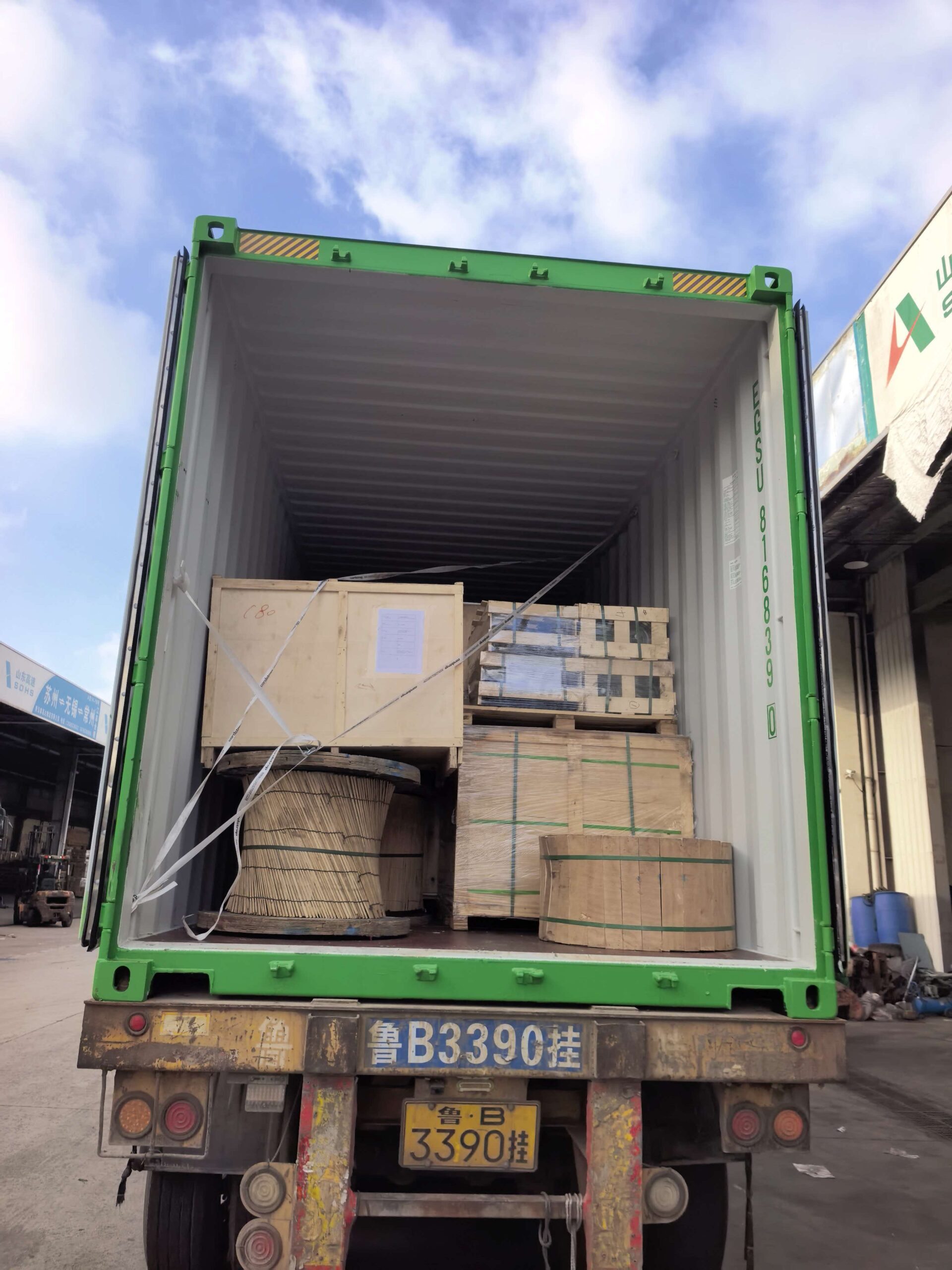
For a landlocked power project, delivery does not end when the container reaches the seaport. Equipment must pass through port handling, customs, inland transit and final site unloading before installation can begin.
This is especially demanding for an overhead distribution package containing long steel poles, crossarms, fragile insulators, heavy transformer equipment and hundreds of small fittings.
For a Burundi overhead line supply project, the planned route used an East African gateway port followed by inland delivery. The project illustrates how engineering, packing and logistics should be planned together from the beginning.
A complete line package contains items with very different physical characteristics:
The largest risk is not only damage. It is losing the relationship between a part and its installation position.
A box of bolts may look minor at the factory, but if it is not marked against the correct pole structure, the site team may spend days sorting components.
Each package should have a unique number linked to:
For pole-line hardware, an even better method is to create installation sets. For example:
This reduces the amount of sorting required at site.
Galvanized poles and crossarms are durable in service, but their surfaces can still be damaged in transit.
Packing should prevent:
Use suitable separators, secure bundles at calculated points and mark lifting positions. Small galvanized accessories should be packed dry and protected from loose movement.
Glass insulators, fuse cutouts, surge arresters and instrument components should not be packed as ordinary steel hardware.
Recommended controls include:
For fuse cutouts, confirm that fuse links and small mounting components are listed and packed. For gang-operated isolators, keep phase units, linkage, operating rods and mounting brackets clearly associated.
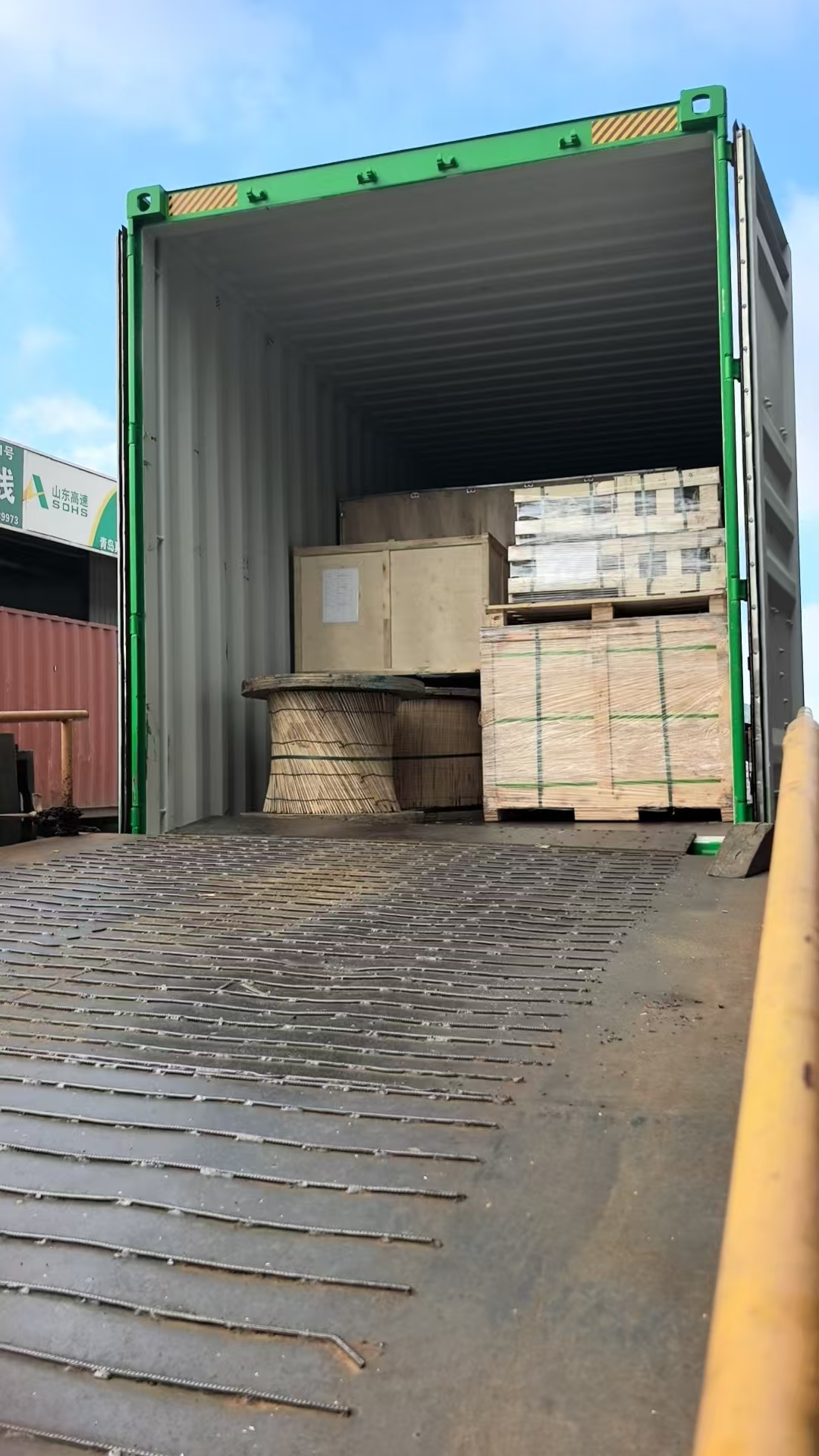
Waiting until every item reaches the warehouse can lead to expensive changes. The logistics team should estimate volume and loading constraints while technical drawings are still being finalized.
Important inputs include:
The goal is not simply to fill every empty space. Heavy cargo must be distributed safely, and fragile packages must not carry unintended loads.
When cargo moves from a gateway port to a landlocked destination, review:
The commercial term on the quotation should state clearly where the supplier’s cost and responsibility end. FOB, CIF and delivered terms create different obligations. The inland route should not be assumed to be included simply because the final project country appears on the documents.
A strong export document package may include:
Descriptions, quantities and weights should be consistent across the invoice, packing list and shipping documents. Last-minute wording changes can delay customs review.
Some project consumables may be difficult or prohibited to move through ordinary domestic and international cargo channels. Pressurized gas cylinders, flammable products and certain chemicals require special handling.
If a low-value restricted item can be sourced reliably near the project, local purchase may be safer and more economical. Any exclusion should be stated clearly in the quotation and final supply list.
Packing photographs should demonstrate completeness, not create new uncertainty. A useful photo record includes:
This record helps the buyer verify the shipment and supports the site team if a package is not immediately identifiable.
Mixed-BOM overhead line projects benefit from one consolidated packing plan and one controlled document set. This does not remove the need for specialist factories, but it reduces gaps between suppliers.
Younxin supports project buyers with BOM consolidation, technical matching, packing-list preparation, export packing and shipment coordination for African power projects.
Send your equipment list, destination port, final project location and required delivery term. We can help prepare a supply and packing plan before quotation.
It depends on the final segment length, bundle dimensions and container limits. Pole design and logistics planning should be coordinated early.
For installation efficiency, structure-based sets are often preferable, while the master packing list should still retain each BOM item and quantity.
They help verify completeness, connect accessories with the main equipment and provide a reference for customs, receiving and site installation teams.
Contact sales